What Every Music Educator Needs to Know About Sound Equipment in Australia
Essential Sound Equipment
As a dedicated music educator in Sydney, understanding the essentials of sound equipment is vital. Begin with the building blocks: a reliable antenna tracking system. This tool ensures seamless connectivity, particularly in larger venues like the iconic Sydney Opera House, where a strong link between your music and audience is paramount.
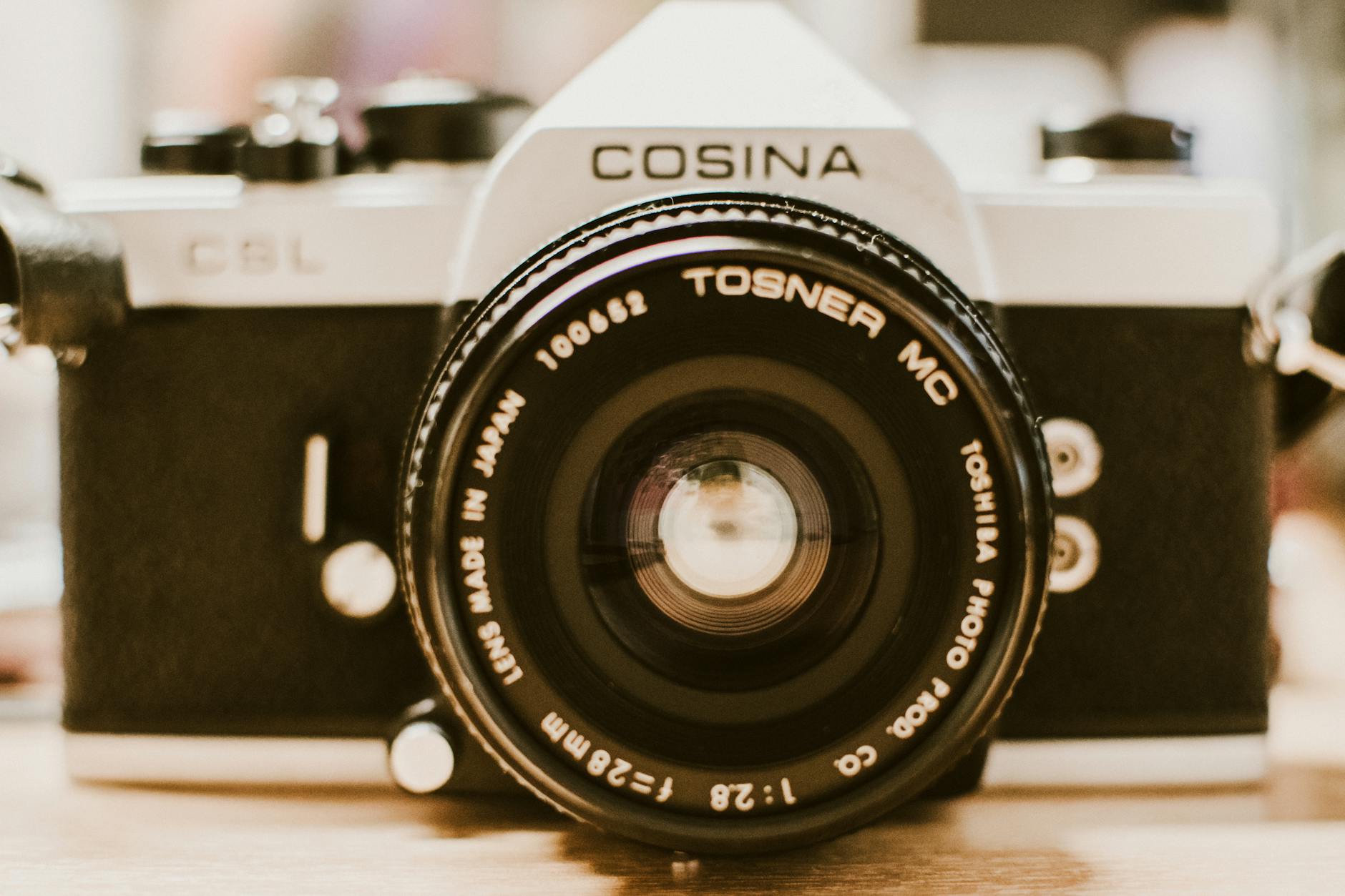
The next stop is musical equipment. Having top-notch gear such as keyboards, guitars, and digital audio interfaces can make or break a music session. Whether you're teaching at a school or freelancing at local events, having access to high-quality instruments is crucial for both instruction and performance.
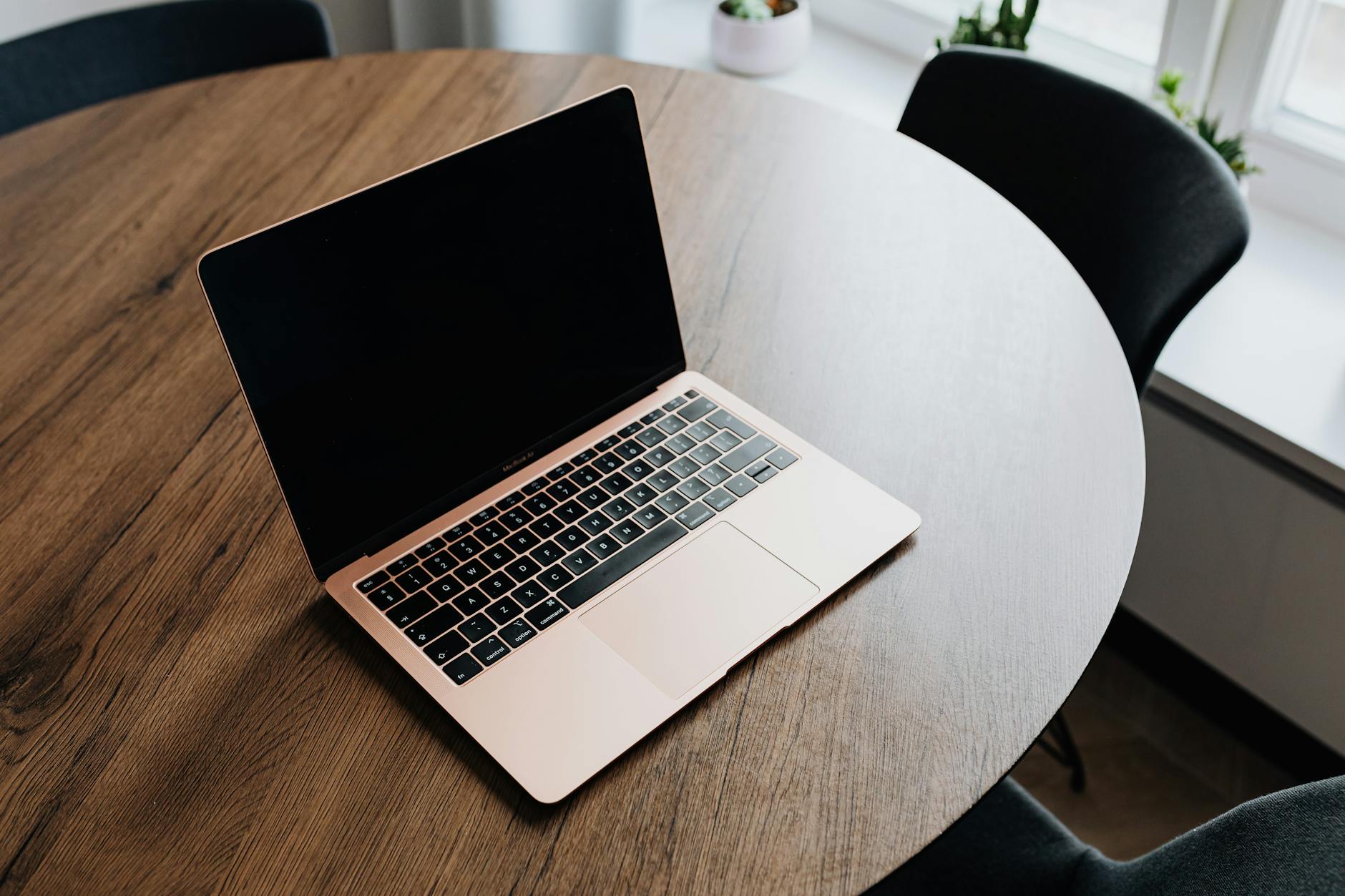
Equally important are professional broadcast solutions that expand the reach of your lessons. Investing in a good audio interface and the right software allows you to take your teaching to remote students, ensuring clarity in sound transmission. This is essential for engaging diverse learners or recording content for later use.
When selecting equipment, focus on durability, portability, and compatibility. Examining how each piece of gear integrates with others helps build a cohesive setup. In the vibrant landscape of Sydney's music scene, these tools not only prepare you to inspire but to thrive in creative teaching sessions, providing an electrifying experience that rivals live performances in venues like The Enmore Theatre.
Setting Up Your Studio
For any music educator or sound designer in Australia, setting up a studio with optimal acoustics and arrangements is vital. You might find inspiration in the structural elegance of the Sydney Opera House, reminding us of the importance of acoustics. Your studio should enhance both creativity and productivity.
Optimising Room Acoustics
Acoustics can significantly influence your sound quality. Consider adding acoustic panels or curtains to manage sound reflections. Rugs or carpets can aid in dampening unwanted reverb. If you're working in a tight space, even arranging bookshelves creatively can help. Think about the impact of room shape and materials on sound, much like the strategic design of the Sydney Conservatorium of Music.
Arranging Equipment Effectively
An efficient arrangement of equipment facilitates smoother workflow and better recordings. Position your monitors for video conferencing at ear level to capture accurate sound references while keeping cables organised and out of the way. Consider the layout that allows easy access to frequently used items, keeping your space versatile yet clutter-free. This setup mirrors the organised chaos that live music venues like The Enmore Theatre balance so well.
Cables, Connections, and Setup Tips
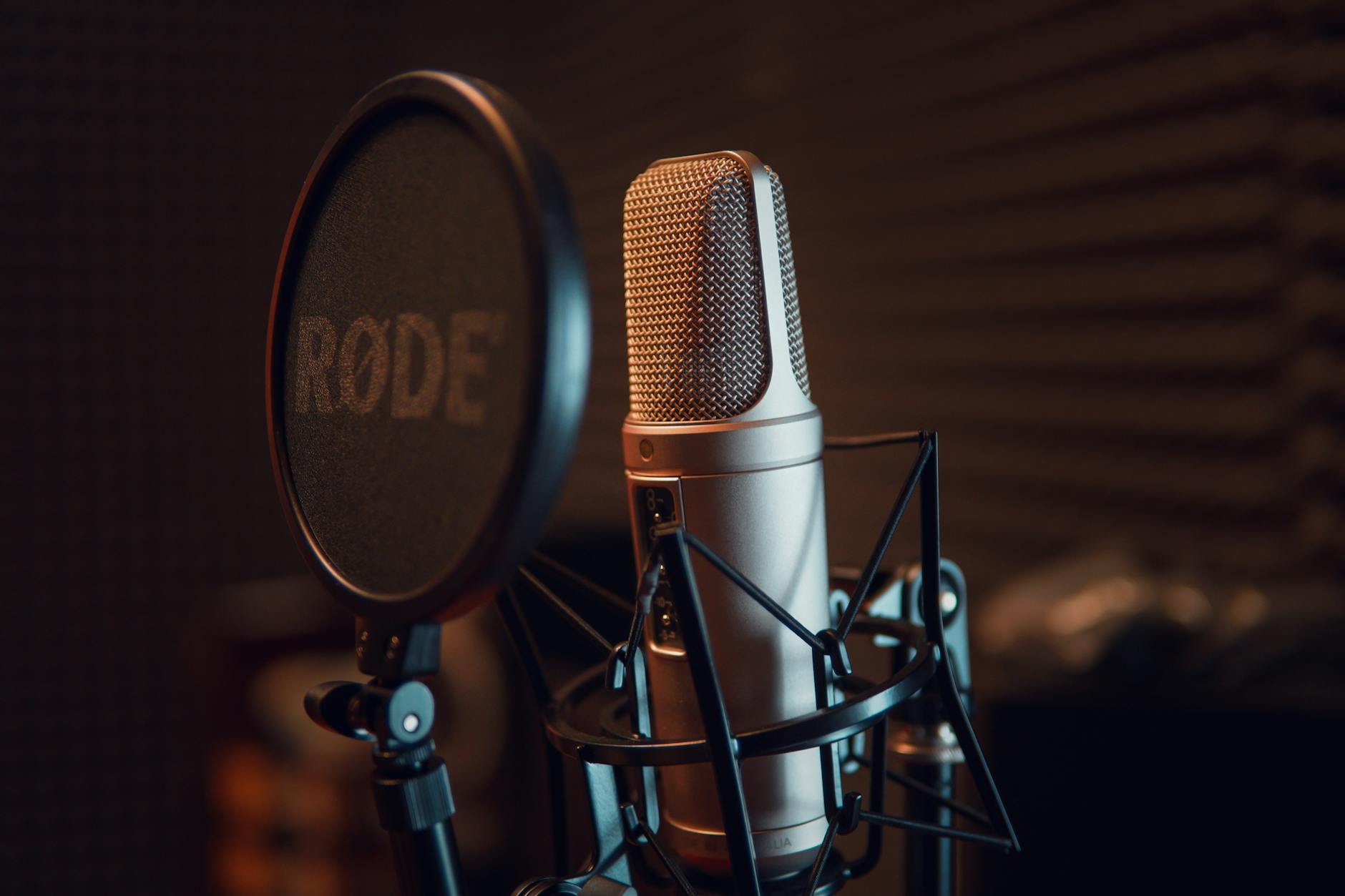
Utilising quality cables and ensuring secure connections can enhance sound fidelity and prevent interruptions. Connecting a professional microphone with the right pre-amps can amplify your sound design creativity. Keep a checklist for regular maintenance, checking for cable wear and software updates to maintain a seamless workflow. Fine-tuning your studio's setup can spark creativity and allow you to produce high-quality soundscapes that truly reflect your artistic vision.
Maintenance and Care
Regular Cleaning Practices
Maintaining pro audio equipment not only ensures longevity but also enhances performance quality, which is crucial when working on soundscapes for projects or live gigs. Keeping your gear clean and free from dust can make a world of difference. I often use a soft, lint-free cloth to wipe down exterior surfaces, ensuring that dust doesn’t accumulate, particularly around connection points. For delicate components like speakers, gentle brushing or using a dedicated air duster helps in preserving clarity and preventing blockages.
Troubleshooting Common Issues
Experiencing technical hiccups can be frustrating, especially in the midst of an inspired sound session at home or during a live performance at The Enmore Theatre. One thing I find incredibly useful is having a basic checklist for quick troubleshooting, such as checking power and signal chains or ensuring that cables are securely connected. For issues related to sound distortion or feedback, evaluating the settings on your induction loop and ensuring they match the desired specifications can significantly reduce disruptions.
Enhancing Equipment Longevity
In terms of enhancing equipment longevity, storage is as crucial as cleaning. Always store your equipment properly, away from moisture, and extreme temperatures. Investing in quality cases or covers provides an extra layer of protection. Regularly updating firmware and performing maintenance checks are part of keeping everything integrated and running smoothly. This not only prolongs the life of your kit but ensures reliability, whether you’re composing new tracks or collaborating with fellow artists on innovative projects.
Advanced Sound Techniques
Utilizing Signal Processing
As a sound designer, effectively implementing signal processing can elevate your creative projects. Signal processing involves manipulating audio signals to enhance or alter sound elements. Embracing tools such as EQ, compression, and reverb can add depth to your soundscapes. For instance, using EQ can help fine-tune frequencies to achieve a balanced sound while compression controls dynamics to maintain audio clarity in different performance environments such as live music venues.
Mastering Recording Techniques
Mastering recording techniques is crucial, especially when working with diverse sound elements like guitars and basses. To capture high-quality recordings, focus on microphone placement and selecting the appropriate recording gear that suits your instruments' tonal quality. Experimenting with different mic placements can yield varied sound textures, offering more flexibility in post-production. Integrating mesh radios into your setup allows for seamless wireless audio transmission, essential for dynamic recording settings in studio or live performances.
Exploring Creative Sound Design
Expanding your creative arsenal includes diving into innovative sound design techniques. These methods can range from sampling unconventional sounds to experimenting with synthesisers for unique audio textures. Embracing techniques like pitch shifting or granular synthesis can add a new dimension to your sound design, transforming ordinary sounds into extraordinary auditory experiences. By infusing insightful sound design techniques akin to those used by professionals at places like the iconic Sydney Opera House, you can push the boundaries of what’s possible in music production. By continuously refining these advanced techniques, you maintain a competitive edge and fuel your creative passion, ensuring that your sound projects resonate both emotionally and technically.
Common Mistakes
Simplifying Your Setup
As a music educator, I've learned that less is more. It's tempting to incorporate every gadget and gizmo into your studio, but overcomplicating setups can stifle creativity. Streamline your equipment choices to ensure a cohesive teaching environment. Much like the minimalist beauty of a performance at the Sydney Opera House, balance and clarity are paramount.
Prioritising Room Acoustics
A common oversight in sound design is failing to address poor room acoustics. The room’s sonic characteristics significantly influence the quality of recordings and live sound. Just as the Conservatorium of Music prioritises acoustic excellence, it's crucial to analyse your space and make necessary adaptations. Acoustic panels, bass traps, and diffusers can elevate your teaching sessions and student projects.
Protecting Your Gear
Equipment damage is often due to improper handling or neglecting regular maintenance. Treat your sound gear with the same reverence as an Enmore Theatre performance—routine checks and gentle handling are the keys to longevity. Always store cables properly, avoid tangling, and use the correct power sources to prevent sudden failures. By avoiding these common mistakes, music educators in Australia can craft an inspiring and efficient teaching space. Take these insights and let your sessions be a symphony of clarity and creativity.